
Treefiles App | Find the Right Trees for Your Plot | AGROMIX
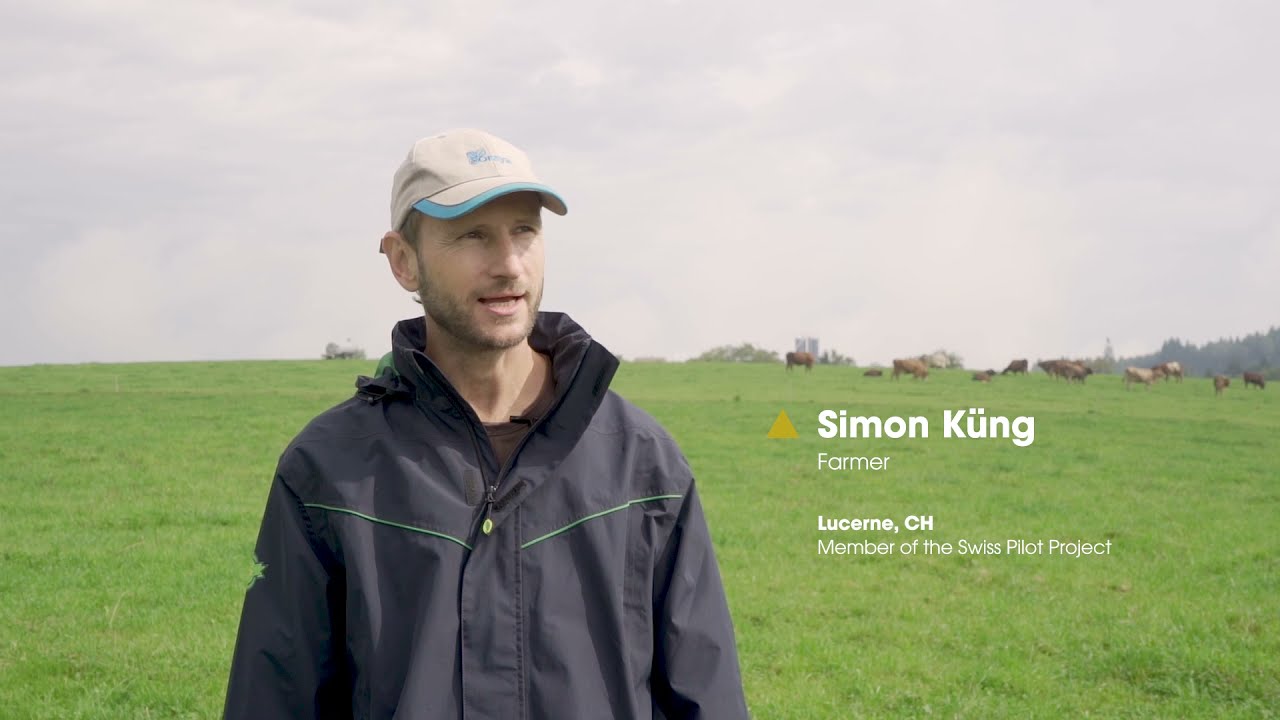
AGROMIX | Agroforestry in Switzerland
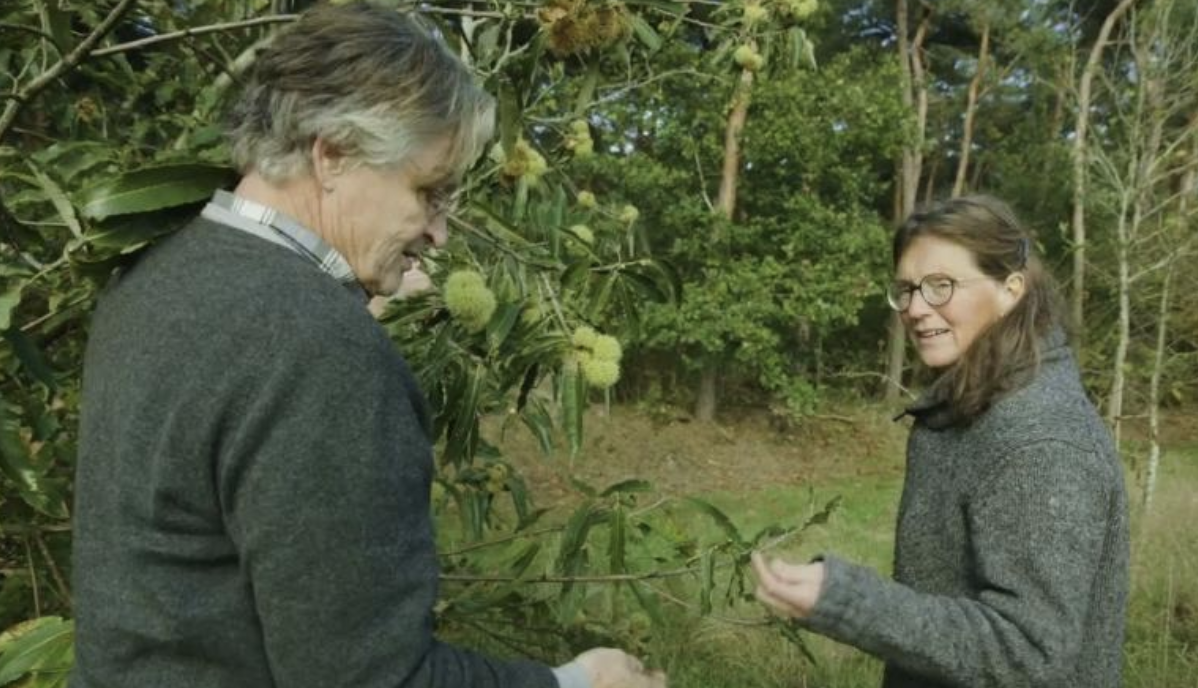
Rineke Dijkinga – developing new and healthy food products with agroforestry
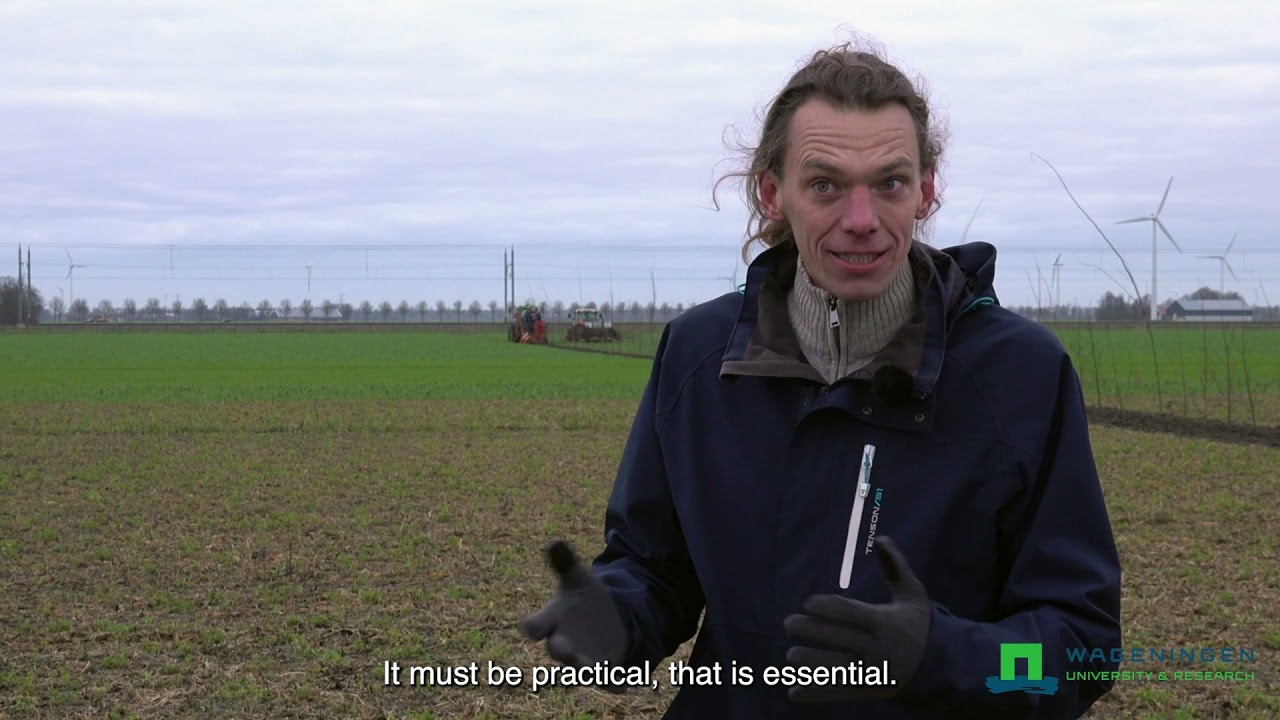
Dirk van Apeldoorn explains WUR agroforestry experiment in Lelystad (NL)
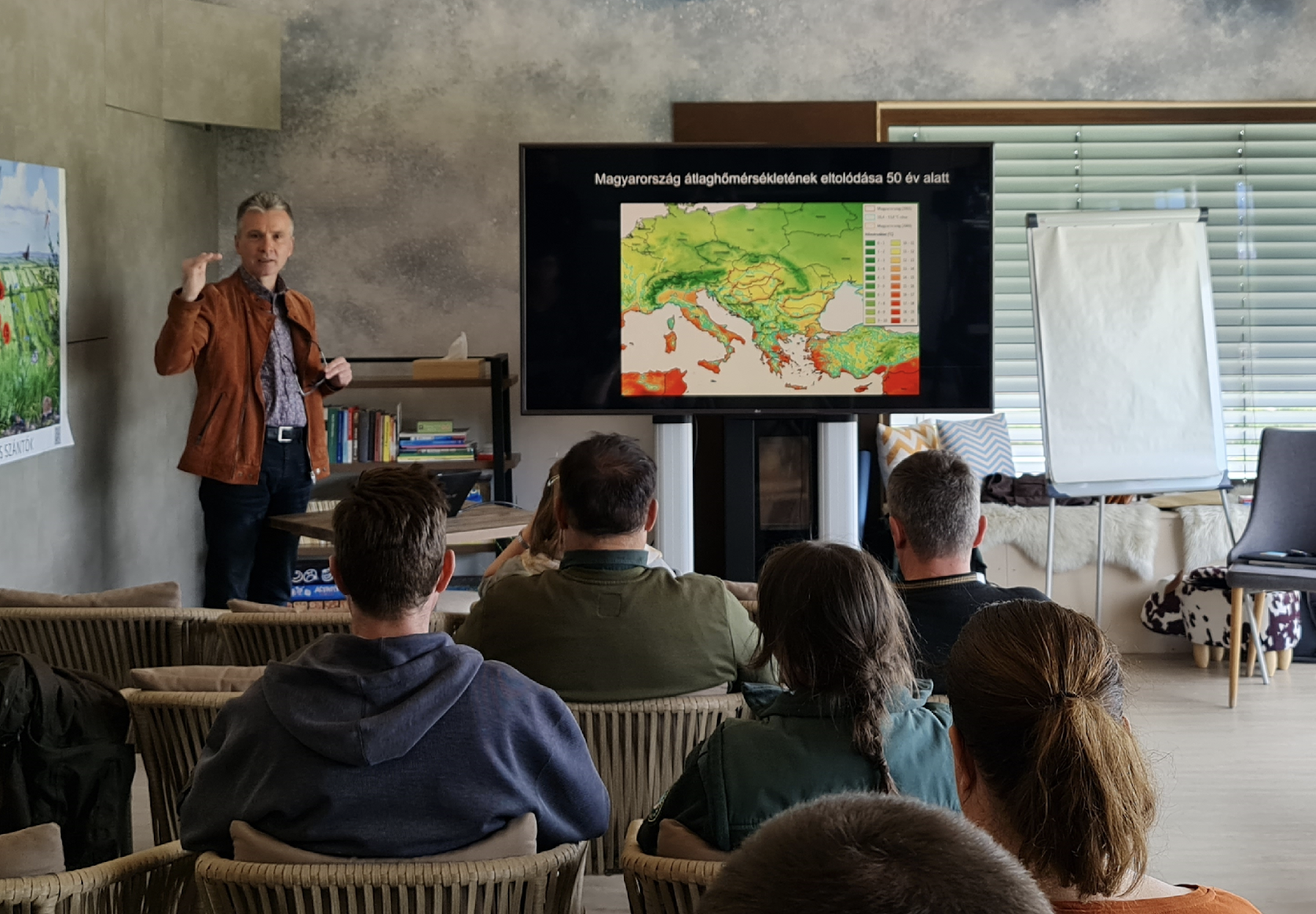
AGROMIX | Co-design methods workshop for sustainable and resilient food systems
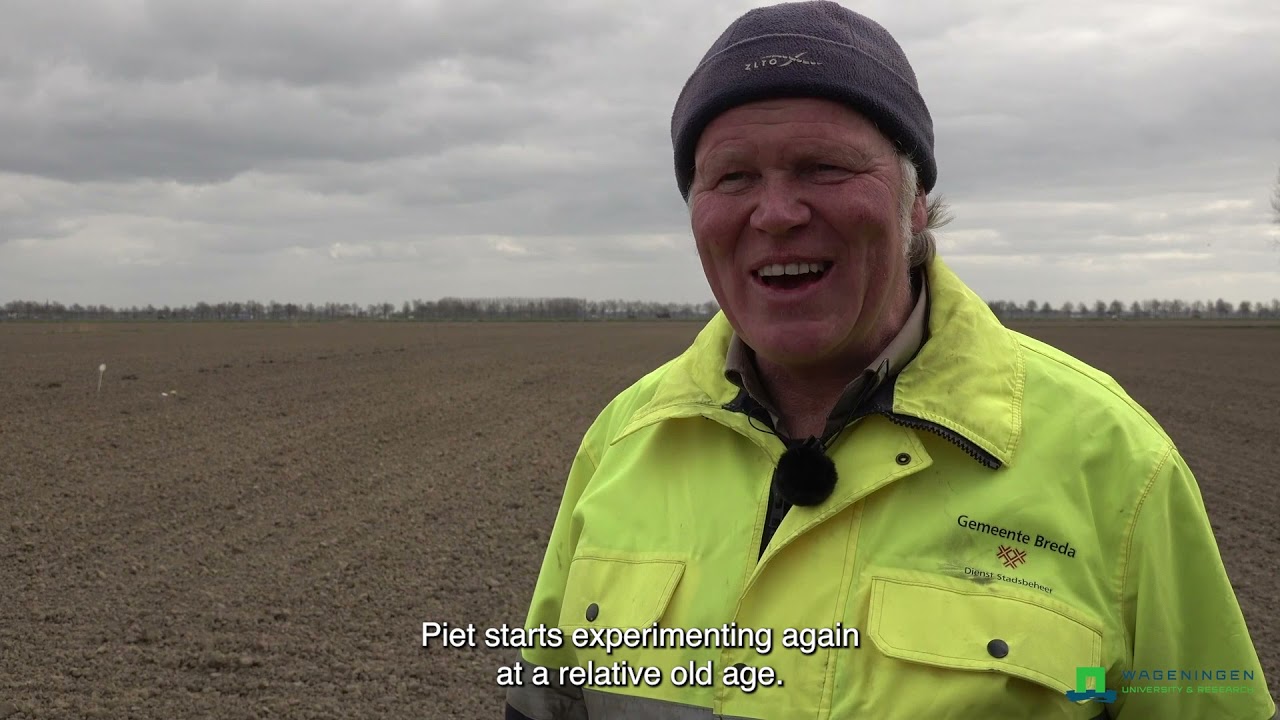
Piet Hermus - agroforestry to encourage social dialogue
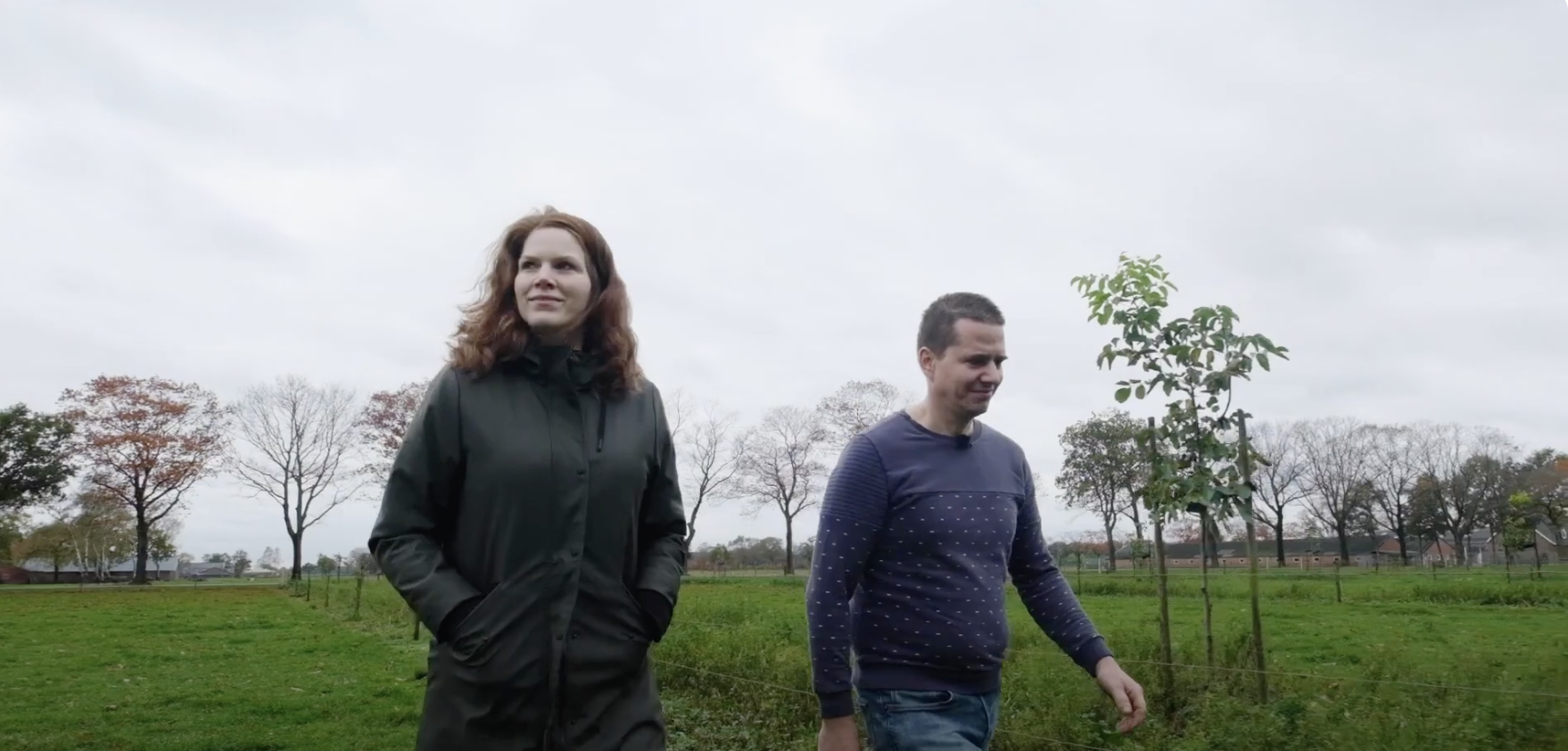
Father and son share their story and aspirations of establishing a food forest in the Netherlands.
By mixing different land uses, especially agroforestry, into traditional agriculture, farmers can decrease income instability while increasing sustainability.
Agriculture and land use are at a crossroads. Go one direction, and it can continue to be a leading cause of climate change and land degradation. But go the other way, and it can become part of the solution. According to Ulrich Schmutz(opens in new window), a professor of Organic Horticulture and Ecological Economics at Coventry University(opens in new window), that other way is agroforestry. “Farming that follows agroecological practices with more agroforestry and mixed farming offers an opportunity to transform landscapes and become a key part in the fight against climate change,” he says. With the support of the EU-funded AGROMIX(opens in new window) project, Schmutz led an effort to help agriculture become more sustainable across Europe. The project brought together farmers, researchers and policymakers to not only explore agroecological solutions for more resilient land use but also develop practical tools for putting these solutions into action. “The project integrated the environmental, socio-economic and policy aspects of agroforestry, mixed farming and supply chains to market these innovations,” adds Schmutz. “In doing so, it filled knowledge gaps about trees and how we can support agroforestry through participatory co-design, both in policy and on the farm.”
With the goal of unlocking the full potential of agroforestry, the project collected information from eight long-term, replicated agroforestry trial sites, along with the practical experiences of farmers and land managers. “This work involved analysing the socio-economic performance of agroforestry and mixed farming, assessing value chain networks, and researching what motivates farmers to make the shift towards agroforestry,” explains Schmutz.
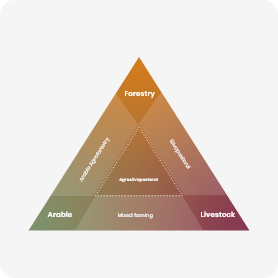
Researchers then used these findings to develop practical solutions to transition towards more sustainable land use systems. “We had the proof that implementing agroforestry allows farmers to diversify their production, reduce their dependence on the success of a single product, and improve their income stability,” notes Schmutz. The challenge was putting this proof into practice. “We learned how to integrate agroforestry into all systems and, based on this, we decided to not promote mixed farming without the use of trees,” adds Schmutz. The project co-designed and developed intuitive models and user-friendly tools(opens in new window) to assist farmers and land managers in implementing and monitoring climate-resilient land use based on mixed farming and agroforestry principles. Many of these tools were then tested via 12 in-depth pilot projects(opens in new window) implemented in Europe’s Atlantic, continental and Mediterranean climate zones.
To maximise the project’s impact and legacy, researchers conducted extensive training and outreach with farmers, and published a handbook of collaborative design(opens in new window) for agroforestry implementation. Researchers also conducted bottom-up co-development of agroforestry policy with farmers, a process that resulted in 14 workshops being held in various European countries. The project’s policy-focused work was condensed into country-specific policy fact sheets(opens in new window) and a comprehensive white paper(opens in new window) that lays the groundwork for a ‘European Agroforestry Strategy’. “By involving both farmers and policymakers from across Europe in the process, I am confident that our work will fundamentally change the relationship between agriculture and land use – a change that will ultimately benefit the environment and citizens alike,” concludes Schmutz.
Since the AGROMIX project was completed in late 2024, project tools and insights are finding new relevance, with partners such as the University of Trier(opens in new window) in Germany receiving further funding to explore agroforestry’s role in flood mitigation. AGROMIX’s participatory approach has also evolved into new initiatives. Its co-design methods have inspired new ‘living lab’ projects under the EU’s Mission Soil(opens in new window) and AGROECOLOGY Partnership(opens in new window), turning research into practical change. Pilot sites continue to inform follow-on studies focusing on silvo-arable, silvo-pastoral and silvo-horticultural systems. The results are also helping to shape the policy transition to sustainable food and farming systems: Evidence that agroforestry can significantly boost biodiversity (from bird and bat activity to improved microclimates and crop stability) is feeding into EU debates on sustainable farming. The project’s white paper and policy recommendations, launched at a Brussels summit in 2024, are informing new approaches to a transformative ‘agroforestry strategy’ and further common agricultural policy(opens in new window) (CAP) reform. The team has also shared findings at major agroforestry and organic farming conferences – continuing the conversation between farmers, scientists and policymakers.
The Iberian Agroforestry and Mixed Farming Community has been highlighted by the Agromix project as a relevant innovation for the agroforestry sector, in the article: "Cultivating connections: the growth of thematic social networks in agroecology".
This thematic social network specialised in agroforestry systems has been created by the LIFE AgroForAdapt and PRIMA Transition projects, and has recently been joined by other projects such as Agromix and DigitAF, and currently has 116 registered members.

Al di là della Pac. Sul sito Rural toolkit le opportunità di 26 programmi. L’Italia aumenta le risorse per far conoscere agli operatori le pratiche sostenibili.
Un progetto pilota in Spagna e Portogallo – Equal Rural – per rafforzare la partecipazione delle donne in tutte le posizioni nel settore agricolo, finanziato con 181mila euro dal programma Cerv, per la promozione dei diritti e valori dell’Ue. B-Resilient, finanziato con 1,5 milioni di euro dal programma europeo Smp - Euroclusters, che consente alle Pmi europee del settore agroalimentare (per un massimo di 60mila euro a impresa) di massimizzare l’utilizzo delle materie prime e valorizzarne anche gli scarti, trasformandoli in ingredienti innovativi a base biologica.